

From 1 July, Hidden Hearing and Amplifon are coming together as Audika. Read more here
Blog
New research reveals that early support is crucial for hearing aid success
Contributed by James Pocock
24/03/2026 • 3 min read
Hidden Hearing commissioned a national, independent survey of over 2,000 hearing aid users to better understand how people are using their hearing aids.1
Using hearing aids to help with hearing loss can have huge benefits on your life.
In fact, almost nine in ten people (88%) who wear their hearing aids as recommended say they have improved their life – the benefits include boosting their confidence, improving their social life, strengthening their relationships and enhancing their mental well-being.
But we found that people who don’t wear their hearing aids as recommended decide, on average, just eight days after their fitting appointment that they’re unlikely to persevere.
And most of these people don’t receive any follow-up support until around six weeks after their appointment.
Thousands are missing out
These survey results highlight that the early support for hearing aid users – as they navigate the first few days and weeks with their new devices – is lacking.
And this means that thousands of people with hearing loss are missing out on the life-changing benefits of hearing aids – not because the aids don’t work, but because the early support wasn’t there.
So as part of our mission to help more people hear better, we’ve put together a free, educational online hub offering step-by-step guidance, practical tips and real stories from people who overcame early hearing aid challenges.
It’s designed not only for new wearers, but also for anyone who has tried and abandoned a hearing aid in the past, or for those supporting a family member who may have given up too soon.
We’d like to see more people who have been fitted with hearing aids flourishing and rediscovering the sounds they love.
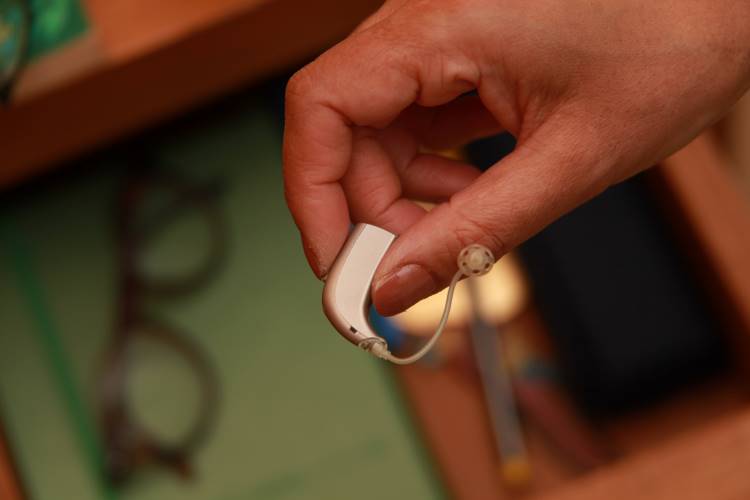
Only half of hearing aid users wear their device as recommended
While there are around three million hearing aid users across the UK, around half of them never or only sometimes wear their device.2
Our research also explored the cost of giving up on hearing aids – and found that 95% had experienced negative consequences or regret since giving. One in five (20%) now struggle to take part in social activities, while many reported mental health decline (17%) and a loss of confidence (16%). A further 14% had retired earlier than planned.
But the lack of early support could be the reason why so many are missing out.
Why people are giving up on hearing aids too soon
Among people who don’t always wear their hearing aids, our research found:
• 27% reduced use within the first two weeks
• Those who stopped completely did so after around four weeks
• But their first follow-up appointment took place, on average, six weeks after their initial fitting.
One of the key reasons why people give up on their hearing aids is that they have unrealistic or unmanaged expectations.
Nearly half of those surveyed (45%) expected their hearing aid to work either immediately, “like a pair of glasses” or during the fitting appointment itself.
But getting used to hearing aids takes time. Your brain may have needed help for years. And when it suddenly gets more sounds than it’s used to, it can be overwhelming at first.
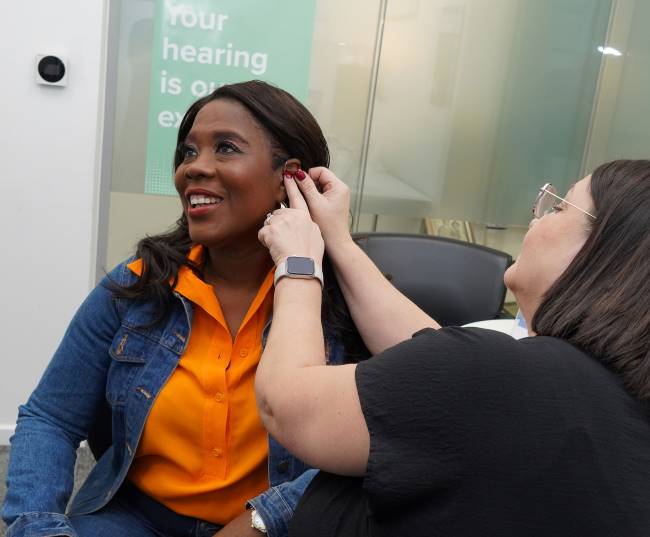
Adapting to hearing aids takes time
Everyone’s hearing is unique. Modern hearing aids are so advanced that there are millions of different setting configurations. And you should work with your audiologist to fine tune your hearing aids until they’re set up perfectly to suit you and your lifestyle.
Laura Ewen, Head of Audiology explains
“Those first days with a hearing aid can feel overwhelming, especially when you suddenly hear sounds you haven’t heard clearly for years. That’s normal. Your brain needs time, and consistent wear, to adjust, and things settle quickly with the right support.” Laura Ewen, Head of Audiology
Former Olympic champion Tessa Sanderson CBE says, “I left my fitting confused and disappointed, as I’d assumed my hearing aids would work instantly, like glasses - and nobody had told me any differently.
“When I eventually turned to Hidden Hearing for help, everything changed. My audiologist took the time to explain what was normal, make the adjustments I needed and guide me through those early days – and my hearing, and my confidence, finally came back.”
Overcoming early challenges
9 out of 10 hearing aid users say they experienced at least one issue in the first days or weeks, and many said their expectations hadn’t been managed during their fitting appointment.
“As audiologists, we know the early challenges people may face,” says our Head of Audiology, Laura Ewen. “Sudden loudness, unfamiliar sound quality or uncertainty about what’s ‘normal’. None of these are signs a hearing aid isn’t working; they simply show where small adjustments are needed.
“That’s why the right audiologist and a personalised aftercare plan matter so much. Early touchpoints prevent small issues from snowballing and keep people confident as their hearing improves – and if your hearing aid has ended up in a drawer, the right support can help you take it out and succeed.”
Get access to our early hearing aid support guide
Follow the link to our educational hub for early hearing aid support .There you’ll find expert advice, practical tips and real-life stories from people who have overcome early hearing aid challenges. Plus, you’ll be able to sign up for a free guide and planner to help give you the keys to hearing aid success.

1The survey was commissioned by Hidden Hearing and carried out by Censuswide in November 2025. It involved 2,035 UK adults who had been prescribed a hearing aid. The sample included quotas for 500 people who always wear their device, 500 who sometimes wear it, and 500 who never wear it.
2https://www.manchester.ac.uk/about/news/20-of-people-with-hearing-aids-do-not-use-them