
From 1 July, Hidden Hearing and Amplifon are coming together as Audika. Read more here
Blog
“My hearing aid nightmare wrecked my confidence – until the right support changed everything”
Contributed by James Pocock
24/03/2026 • 3 min read
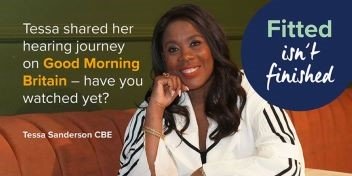
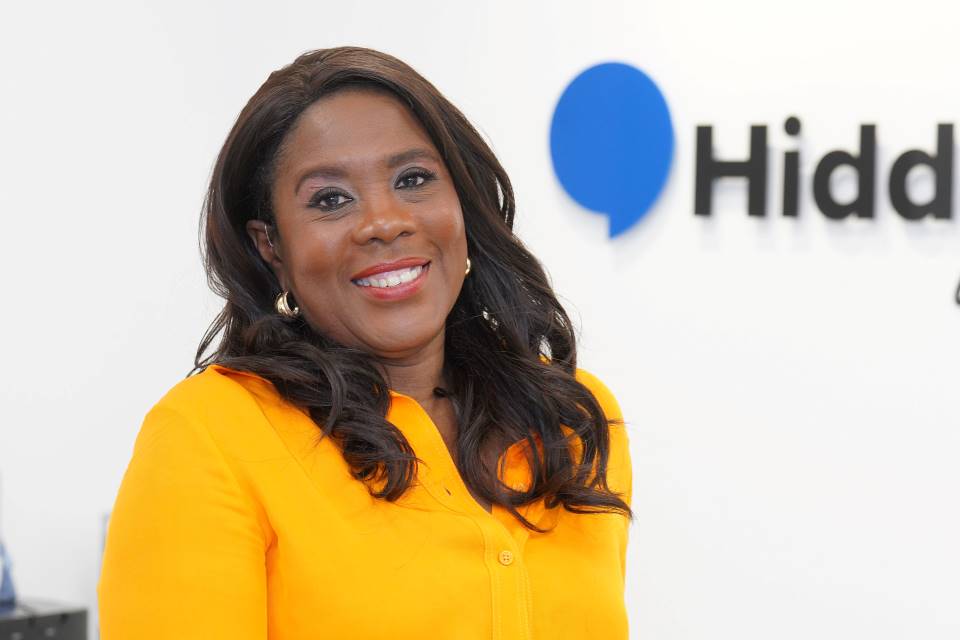
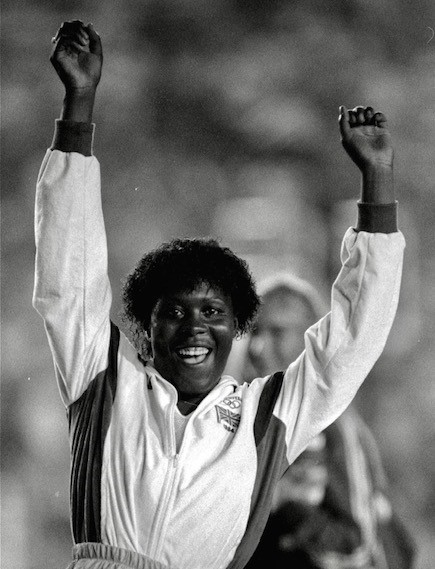
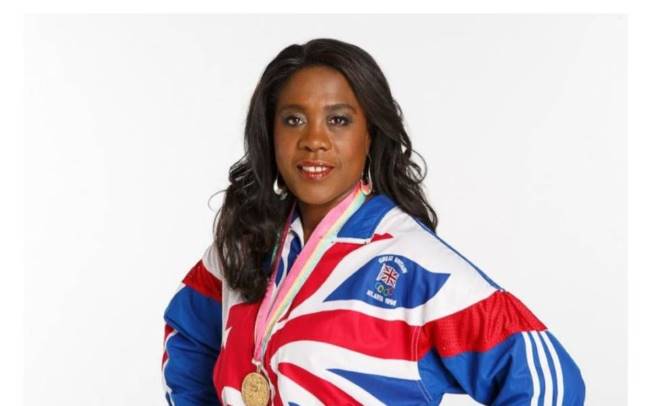
Tessa Sanderson CBE – the first black British woman to become an Olympic champion and now President of the charity Women in Sport, as well as a motivational speaker and sports presenter – spent about 10 years battling hearing loss without the support she needed, and later struggled with hearing aids that were never properly adjusted or explained.
Lacking confidence
The experience shook her confidence and left her anxious about whether she could perform certain aspects of her work as well as she wanted.
“I began to struggle with conversations and I hoped I had responded correctly to what was said. I was desperate not to be caught out. I became embarrassed and far less confident. I knew I needed help.”
Tessa’s initial struggle with hearing aids
Tessa was fitted with new hearing aids in 2016, but her problems were far from over.
“When I was first fitted with hearing aids, I was excited. I thought I’d finally found a solution to my hearing nightmare. But I left really disappointed. They were uncomfortable and the sound was distorted. I assumed getting a hearing aid would be like getting glasses – that you’d feel the benefits straight away.”
Tessa’s expectations are far from unusual. Our research shows that 45% of people who struggled with their hearing aids expected their device to work straight away – either immediately or during the fitting – even though the best results typically come only after follow-up adjustments and proper aftercare.
Tessa persevered with her standard-fit hearing aids for a few years, but her hearing problems continued.
“I got to the point where I’d shove them in the back of a drawer and only wear them when I felt the situation called for it. Eventually, I considered giving them up completely. But as an Olympian, I never quit – so I decided to try something else.”
Adapting to hearing aids
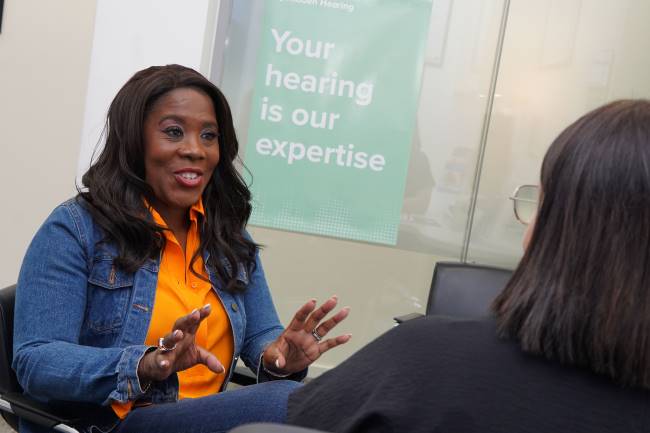
Desperate for help, Tessa turned to her local Hidden Hearing clinic in Loughton – a move she credits with finally giving her the vital support and guidance she had been missing for years.
“They were wonderful. My audiologist Sue Lovett was warm, knowledgeable, and supportive. She took the time to explain my options, the adjustments I might need, and how long it would take for everything to settle. I call her my ‘Hearing Coach’!
“The result was a pair of hearing aids that are comfortable, personalised to me and give me the best listening experience. And it’s not just the devices, it’s the support and guidance that I received as well – the whole experience has been life-changing. I feel happy, confident and completely able to cope with my busy working life again.”
Find the right support
Today, Tessa feels like herself again.
“I’m so glad I didn’t give up. With the right aftercare, my hearing aids are properly adjusted and I feel equipped to live my life and do my work as I’ve always wanted to.”
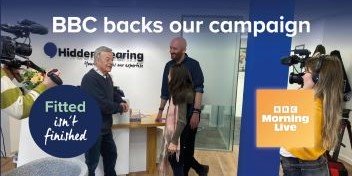
Now she is backing Hidden Hearing’s new educational campaign, Fitted Isn’t Finished, created to support people who feel their hearing aids aren’t working for them. At its heart is a free online hub offering step-by-step guidance, practical tips and real stories from people who overcame early challenges with their hearing aids.
Tessa’s advice to those struggling to adapt
“As someone who almost gave up on my hearing aids, I know just how quickly you can feel overwhelmed,” Tessa says.
“So many people make up their minds within days, but follow-up support often doesn’t arrive for another few weeks, often too late. Without those early touchpoints and reassurance, it’s no surprise that people give up – I was nearly one of them.”
Tessa urges anyone struggling with their hearing aid to persevere and speak to their audiologist.
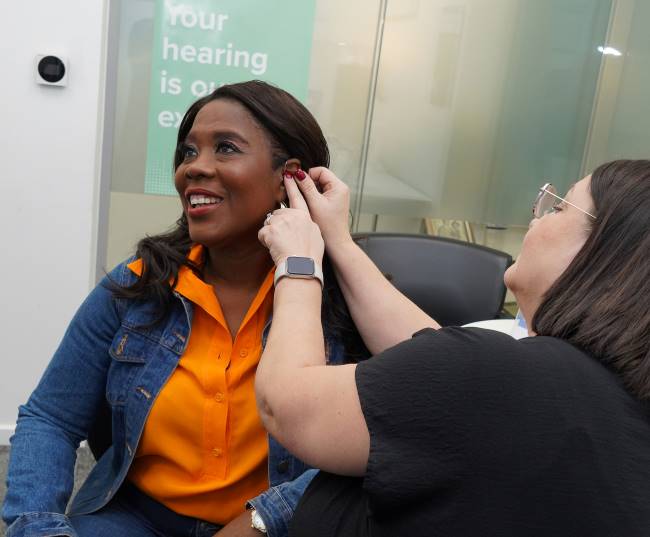
“If your hearing aid isn’t right when it’s fitted, that’s entirely normal. Please don’t give up. Go back, get it checked and get it adjusted. With the right aftercare, everything changes – that’s when you finally get the full benefits and real success with your hearing aid.”
Your free, expert guide
If Tessa’s story sounds familiar, you can download our free early support guide. It’s designed for anyone who’s getting used to wearing hearing aids and it’s full of practical advice and tips for how to successfully adapt. Alternatively, you can book a free appointment with one of our experts.
[1] The survey was
commissioned by Hidden Hearing and carried out by Censuswide in November 2025.
It involved 2,035 UK adults who had been prescribed a hearing aid. The sample
included quotas for 500 people who always wear their device, 500 who sometimes
wear it, and 500 who never wear it.